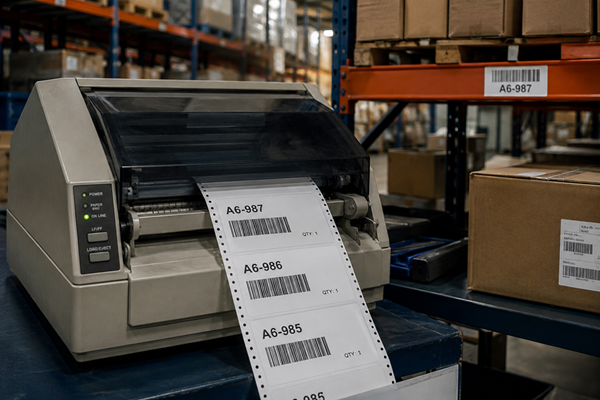
Continuous computer labels may look like an outdated solution, but many warehouses still rely on them for high-volume printing, reliable performance and compatibility with legacy systems. Discover why this format remains practical for modern distribution operations.
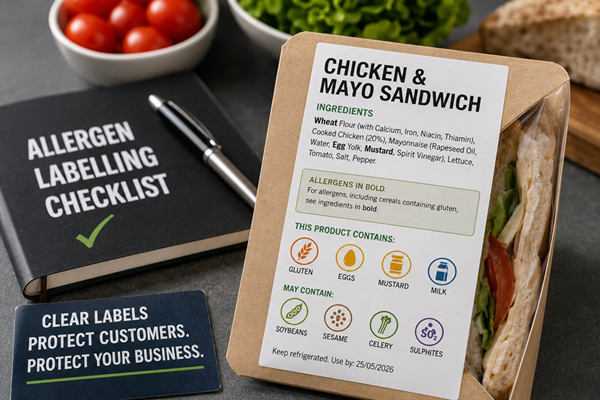
Allergen labelling is a legal requirement for food and drink businesses, and getting it wrong can lead to recalls, regulatory action and serious reputational damage. This guide explains the UK’s 14 allergen rules, Natasha’s Law, PPDS requirements and the common labelling mistakes businesses need to avoid.
Posted by : Printed Tape on July 9, 2026 by admin.
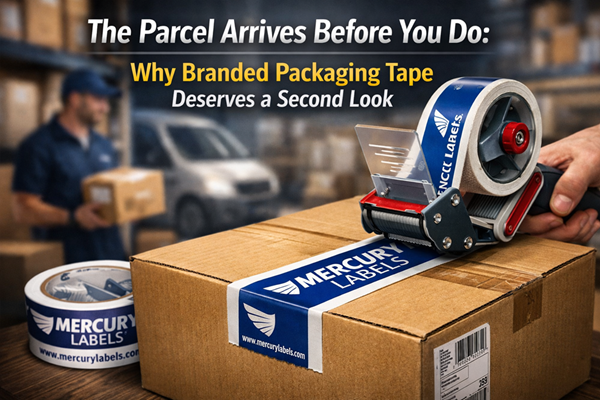
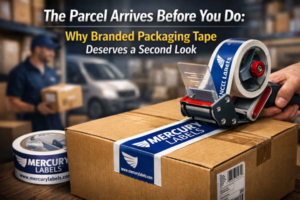
Branded packaging tape transforms every parcel into a travelling advertisement, turning a routine expense into a powerful marketing tool. It builds instant recognition, adds professionalism, and even improves security for your shipments. For UK businesses seeking affordable brand visibility, the tape is where your customer experience begins.
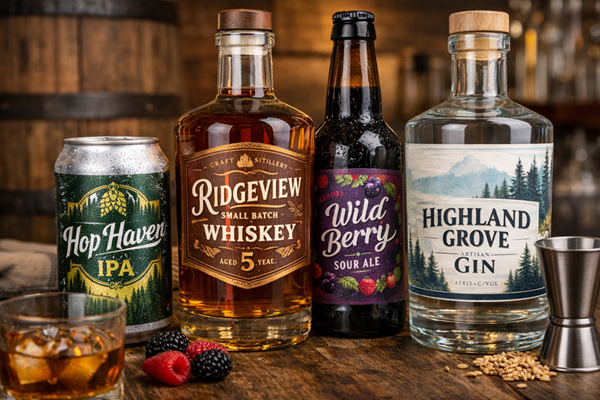
Custom labelling is not a cosmetic afterthought for craft breweries and distilleries. It is one of the most commercially significant decisions a brand will make, and getting it wrong is far more costly than most producers anticipate.
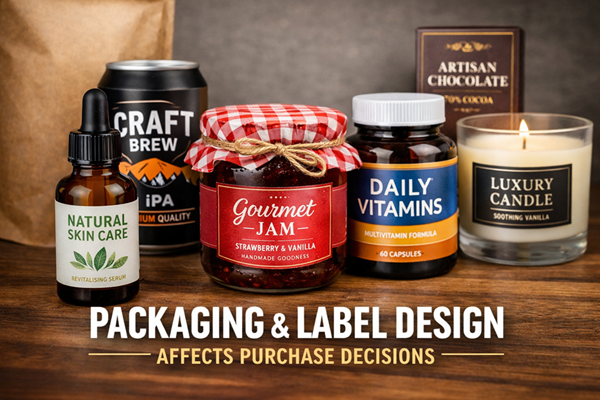
Packaging is not simply a container. It is a conversion tool. Research across retail, FMCG, and e‑commerce consistently shows that customers make rapid, instinctive decisions based on what they see first. In many cases, the label is the only point of communication a product has before a purchase is made.
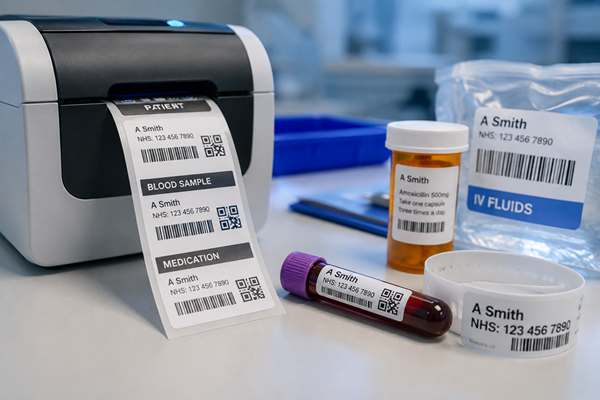
In healthcare environments, accuracy matters. A misplaced sample, unreadable wristband or incorrect medication label can lead to delays, compliance issues and serious patient risk. Labels play a critical role in helping hospitals, pharmacies, laboratories and care providers maintain safe and efficient operations.
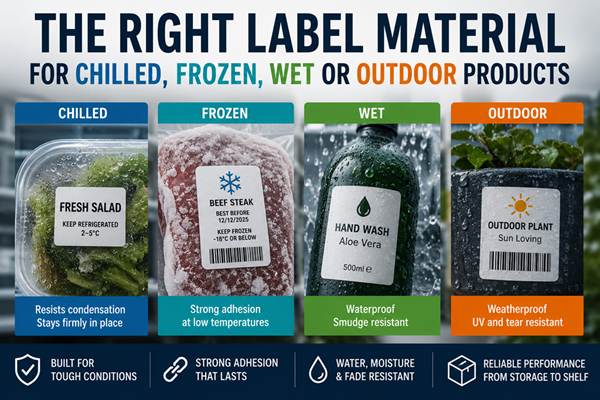
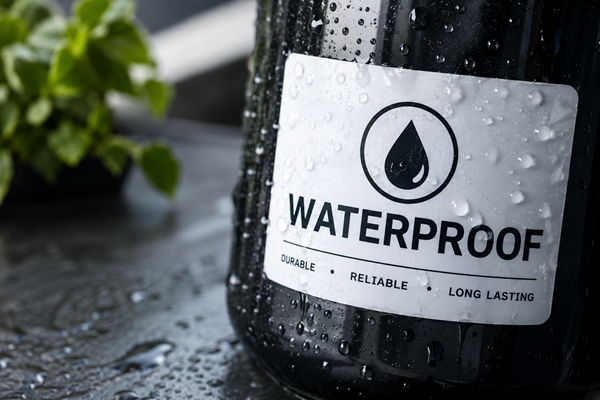
Labels used in chilled, frozen, wet, or outdoor environments need to withstand far more than standard indoor conditions. Moisture, temperature changes, condensation, and UV exposure can all cause labels to peel, fade, crack, or fail completely. This guide explains how choosing the right label material and adhesive helps ensure long-term performance across demanding environments.
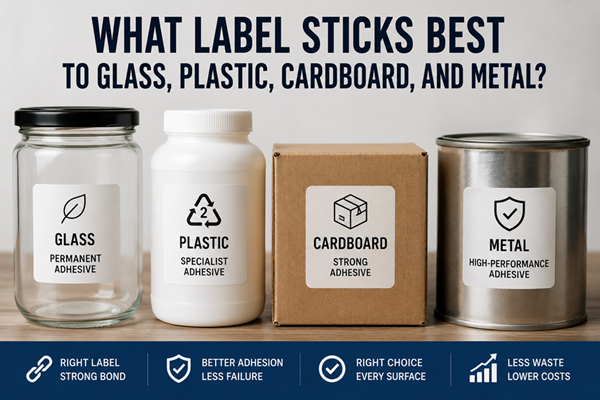
Choosing the right label involves more than just design and print quality. Different surfaces such as glass, plastic, cardboard, and metal all react differently to adhesives, and using the wrong combination can lead to peeling, lifting, and failed packaging. This guide explains which labels work best for each material and how businesses can avoid costly adhesion problems.
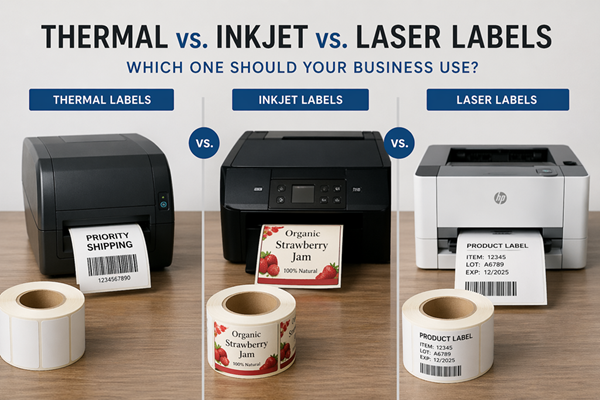
Choosing between thermal, inkjet and laser labels isn’t about preference. It’s about selecting a setup that matches how your business actually operates.
Suppliers like Mercury Labels typically guide this decision by looking at print volume, environment and application method before recommending a label type, because the wrong combination leads to on-going problems, not one-off fixes.